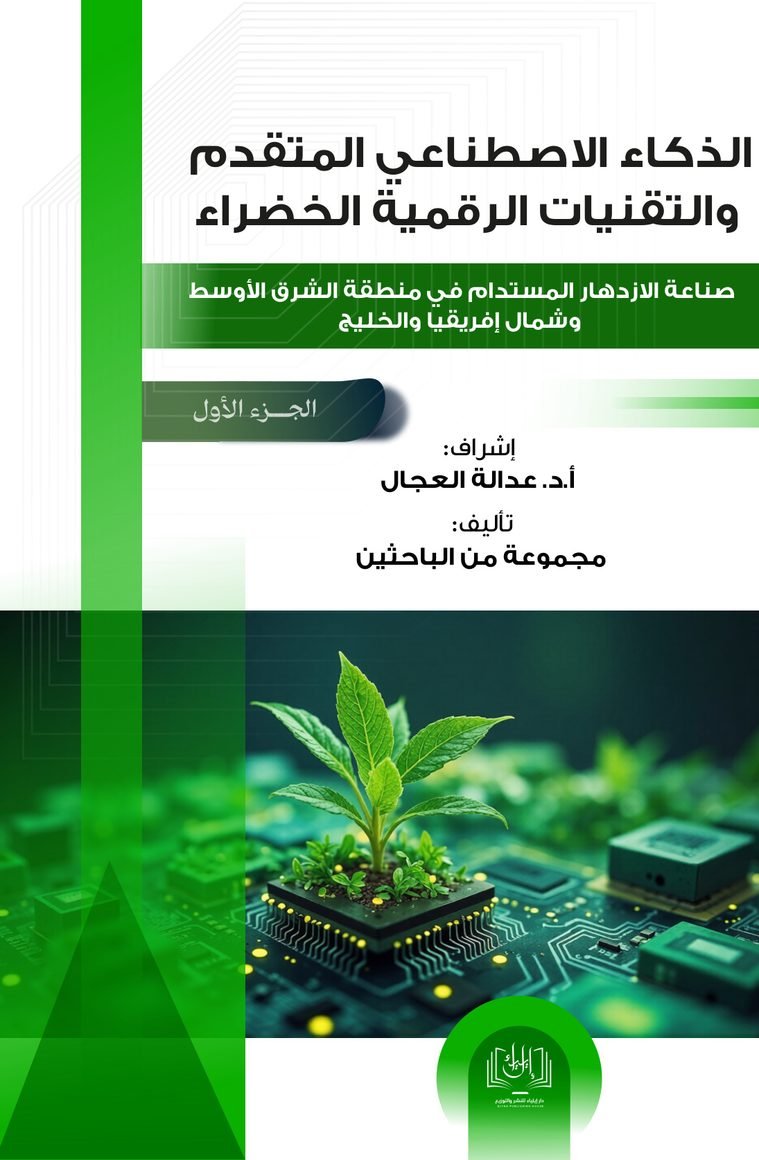
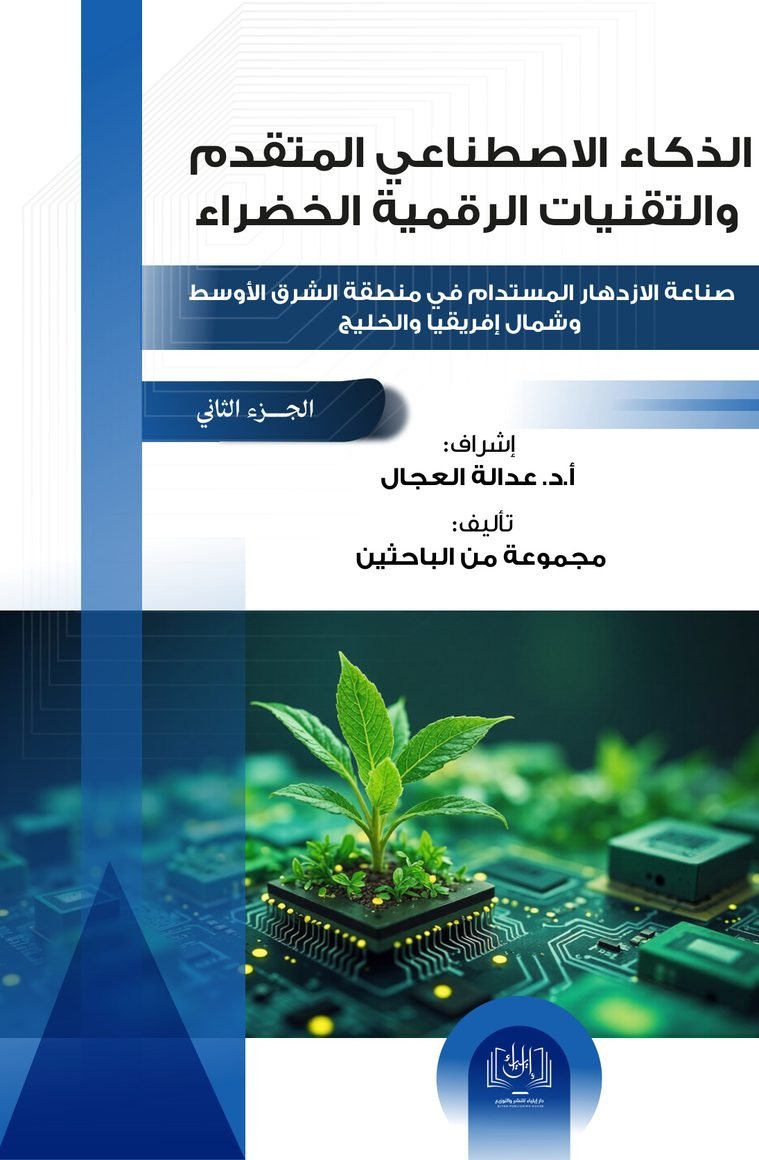
Book Chapter Publication
Registration for the book chapter route closed on 26 May 2026. Publication follow-up continues for the participants who registered before the deadline.
Advanced AI & Green Digital Technologies: Forging Sustainable Prosperity across the MENA Region and the Gulf. This page gathers, in one place, the conference program, the photo gallery, the in-person training session, the official brochures, and the recommendations synthesized from the participating researchers.
CIMEGS-IC 2026 brought together researchers and keynote speakers from across the MENA region, the Gulf, and the world, combining in-person and online participation.
The full scientific program of CIMEGS-IC 2026, including the opening, keynote sessions, parallel track sessions, and the closing ceremony.
Selected moments from the conference sessions and the workshops. Click any photo to enlarge.
Two workshops held during the conference for participating researchers, followed by an online training session organised for them after the conference closed.


Organised for CIMEGS-IC 2026 participants once the conference had closed. The session walks through how a manuscript is prepared, positioned and submitted to a leading academic journal.
The official CIMEGS-IC 2026 brochure (Call for Papers), available in both English and Arabic.
General recommendations synthesized from the brief reports submitted by the participating researchers across the five scientific tracks.
Transition from non-binding ethical charters to enforceable national and regional regulation that defines legal responsibility for automated decisions, mandates algorithmic transparency and auditability, and closes the widening gap between fast technological change and slower legislation.
Integrate AI ethics, responsible-use, and "question/prompt engineering" modules into university curricula and teacher-training programs; provide continuous training for researchers, public servants, and technical teams; and enforce research-integrity rules on the use of AI tools.
Prioritize Explainable AI (XAI) so model decisions rest on transparent, auditable foundations, and preserve a critical human role in interpretation, treating AI as a decision-support tool that augments expertise rather than replacing it.
Build national and regional data platforms with strong data quality and privacy; localize "green / lean" AI and Arabic-language models to reduce the energy and water footprint of data centers; and pursue digital and data sovereignty.
Use AI to integrate renewable energy, optimize energy and water use, and lower carbon footprints; support green entrepreneurship and green finance through fiscal incentives, green public procurement, and dedicated incubators.
Create regional coordination mechanisms to share expertise, standards, and technology across food security, smart agriculture, resilient supply chains, financial inclusion, and the digital preservation of shared heritage.
Encourage small, well-evaluated pilot projects in agriculture, finance, logistics, health, and public services before full deployment, paired with sustained investment in human and institutional absorptive capacity.
Extend digital infrastructure to rural and underserved areas, support women-led and student enterprises, and design inclusive financing and capacity-building programs so that no group is left behind in the digital transition.
These recommendations are a general synthesis of the brief reports submitted by participating researchers across the five tracks of CIMEGS-IC 2026. They are presented as a collective scientific outcome of the conference and do not reproduce any individual report.
What followed the conference: the published proceedings, the publication pathways opened to participants, the training material prepared for them, and the participation certificates.
Registration for the book chapter route closed on 26 May 2026. Publication follow-up continues for the participants who registered before the deadline.
Authors may submit manuscripts to the CIMEGS Scientific and Educational Journal. All submissions are subject to the journal's independent editorial procedures and peer-review process.
Through publication arrangements established in connection with the conference, participants may submit developed manuscripts to selected external scientific journals. Each journal retains its own editorial assessment, peer review and final publication decision.
A further training session was organised for participants after the conference and is available in the Workshops section above. Participation certificates were issued and sent to participants by email. For a further copy, write to isf@cimeg.ca from the address used at registration. Acceptance and publication decisions in every pathway above rest entirely with the publisher or journal concerned.